
Antarctica and its surrounding waters are accessible by expedition cruise for about half the year, from October through March inclusive. No matter when one goes, one is bound to be awestruck by the vast landscapes, amazing wildlife spectacles, broad skies and billowing clouds, and the epic stories of exploration associated with the region. However, the various parts of the Antarctic season have different features, and we have long believed that the austral spring is a standout season. Here are four good reasons to visit during this time:
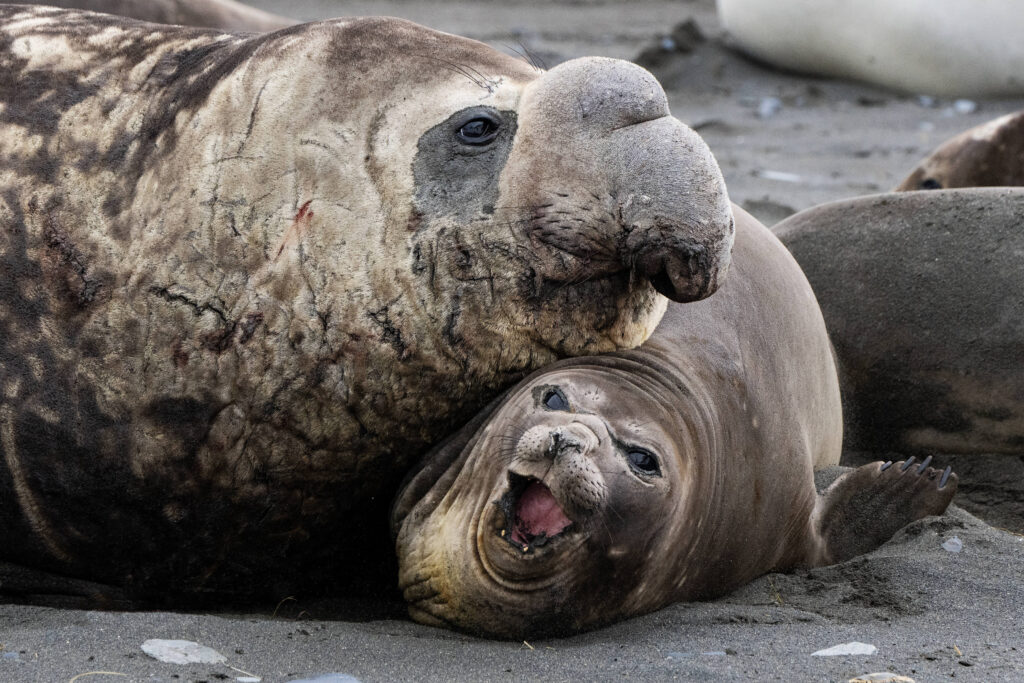
Dramatic Southern Elephant Seal Encounters on South Georgia Island
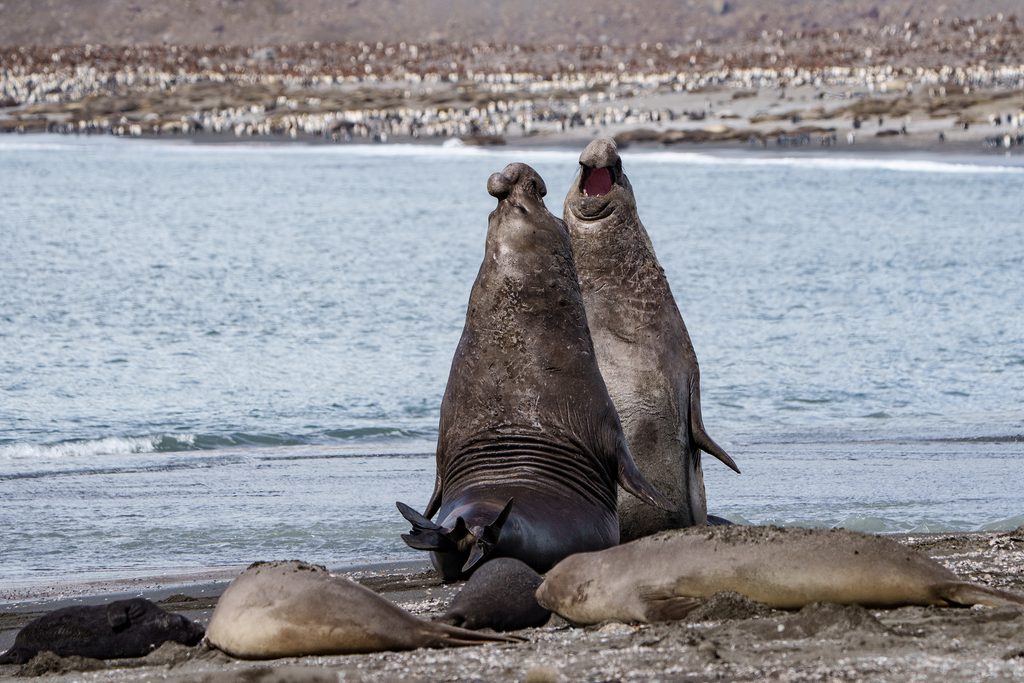
Southern Elephant Seals can be seen snoozing in good numbers on South Georgia’s beaches throughout the cruising season, and later around the Antarctic Peninsula. But only during a narrow window in late October and early November—the timing of our cruise—can we witness the gargantuan males battle for supremacy. Much larger than the females and, on average, even heavier than a Hippopotamus, males attempt to control harems during the short breeding season. Those unable to secure a harem may approach stealthily along the waterline and attempt to mate with the females, but they rarely escape the notice of the beachmasters. Watching what resembles a cumbersome, snoozing slug suddenly transform into a hulking mass, charge after a rival, and engage in battle is one of nature’s great spectacles!
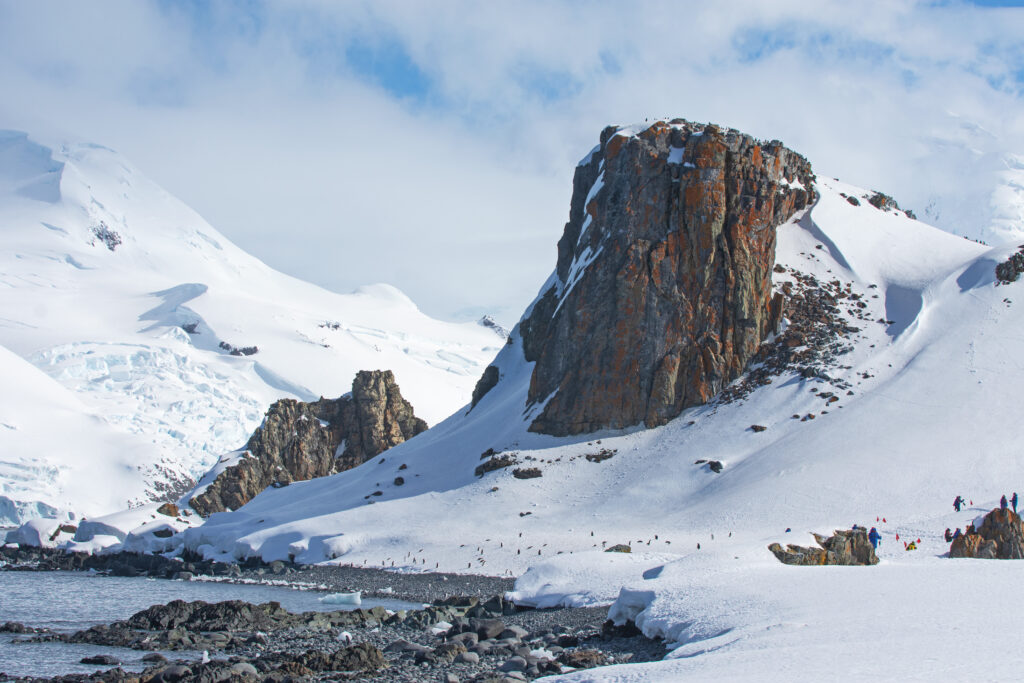
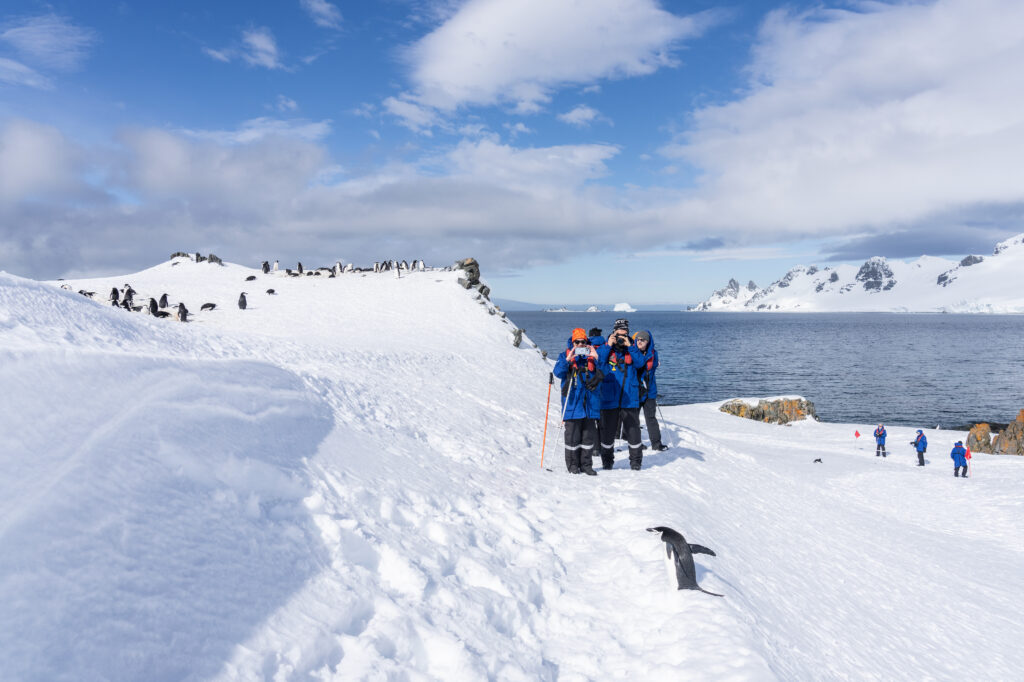
Pristine Antarctic Snowscapes
Winter will just be releasing its grip on Antarctica, and a thick blanket of snow will cover the land. It will be gleaming white! We may actually be the very first people to see certain sites after the long austral winter with no trace of others. Any penguin colonies we visit in Antarctica will naturally have plenty of snow and be without copious quantities of accumulated guano, which would be quite noticeable to the senses later in the season.
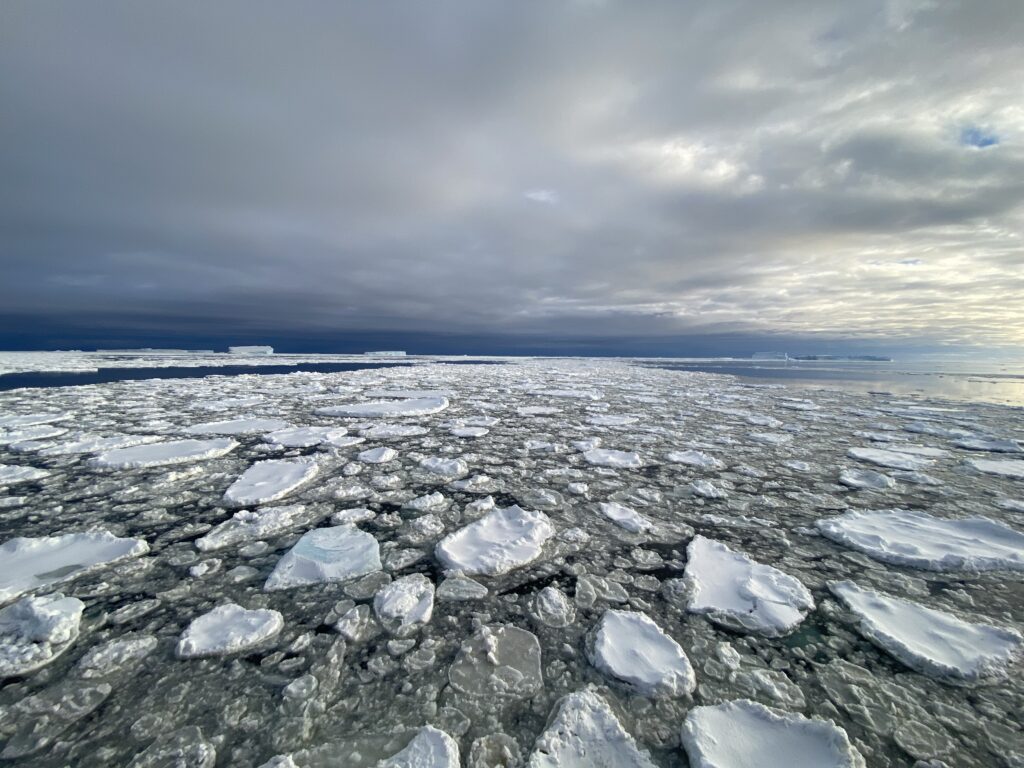
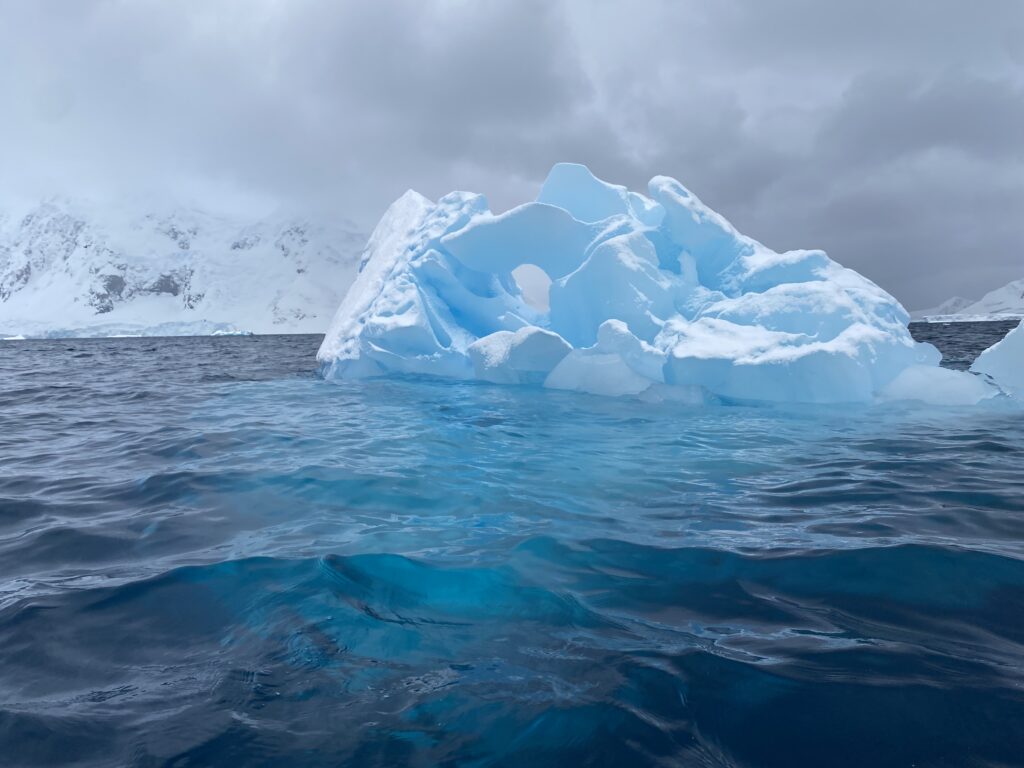
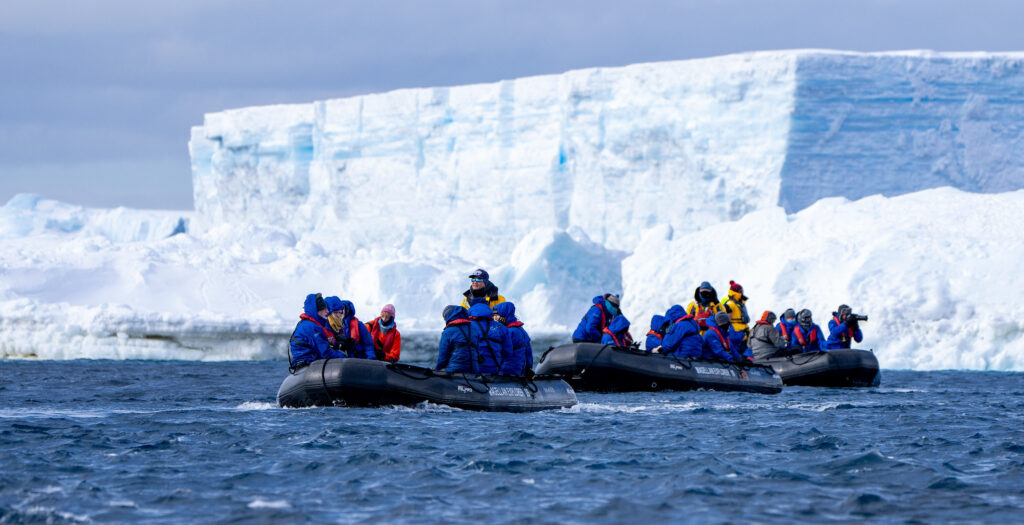
Spectacular Antarctic Sea Ice
The early season’s pristine conditions extend beyond the land to the surrounding waters, where sea ice gathers in a remarkable variety of shapes and sizes. The ice can become heavily concentrated in certain passages, making for wonderful impressions, and photographs!
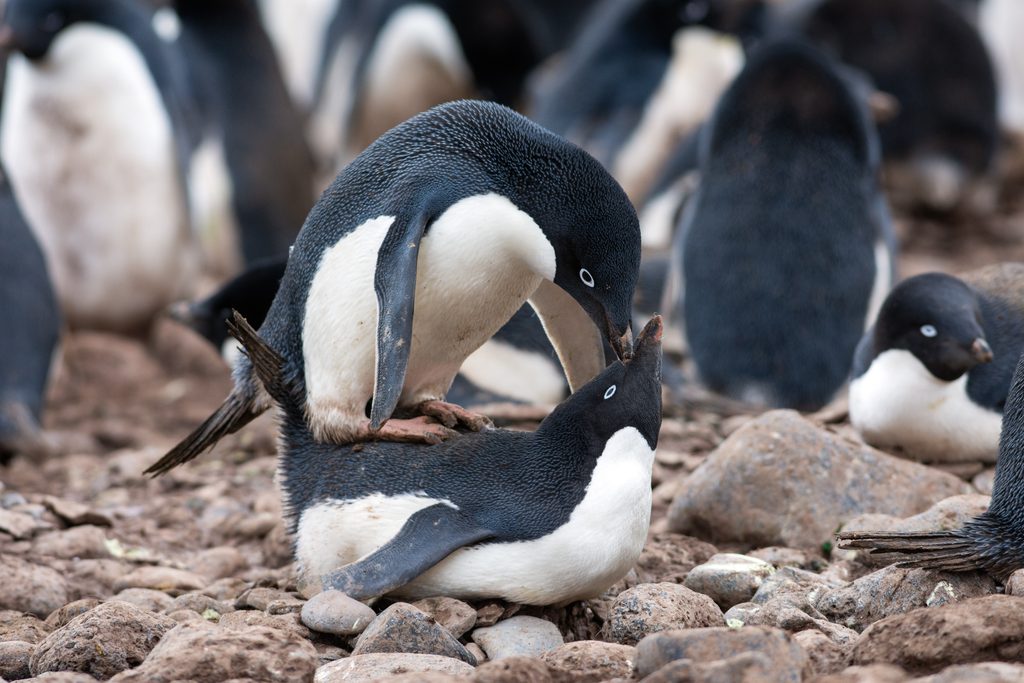
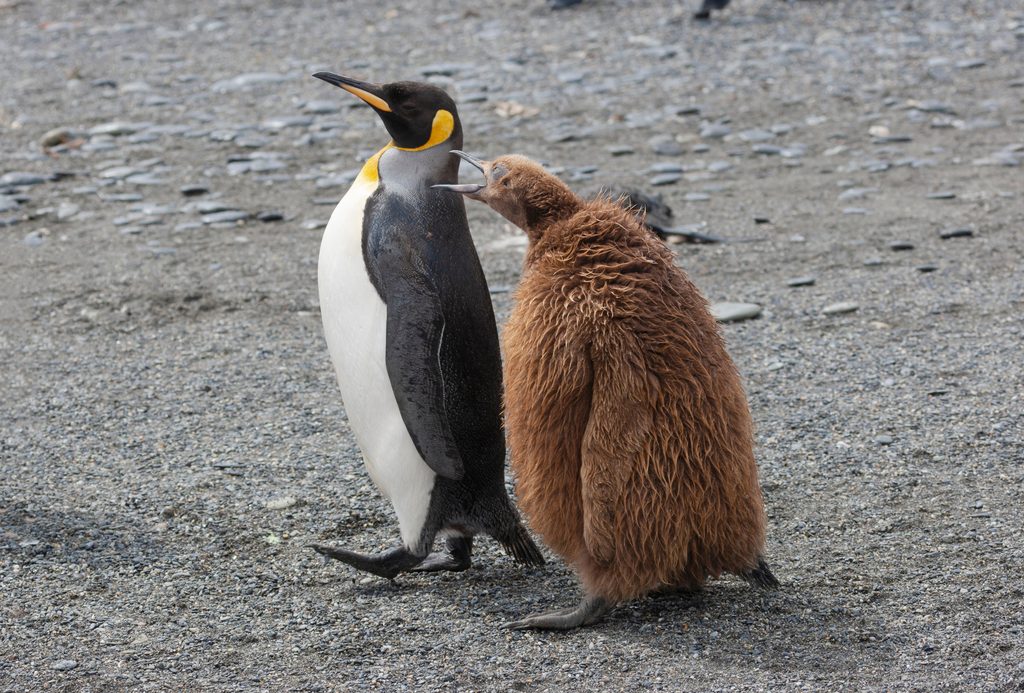
Lively Penguin* Breeding Behaviours
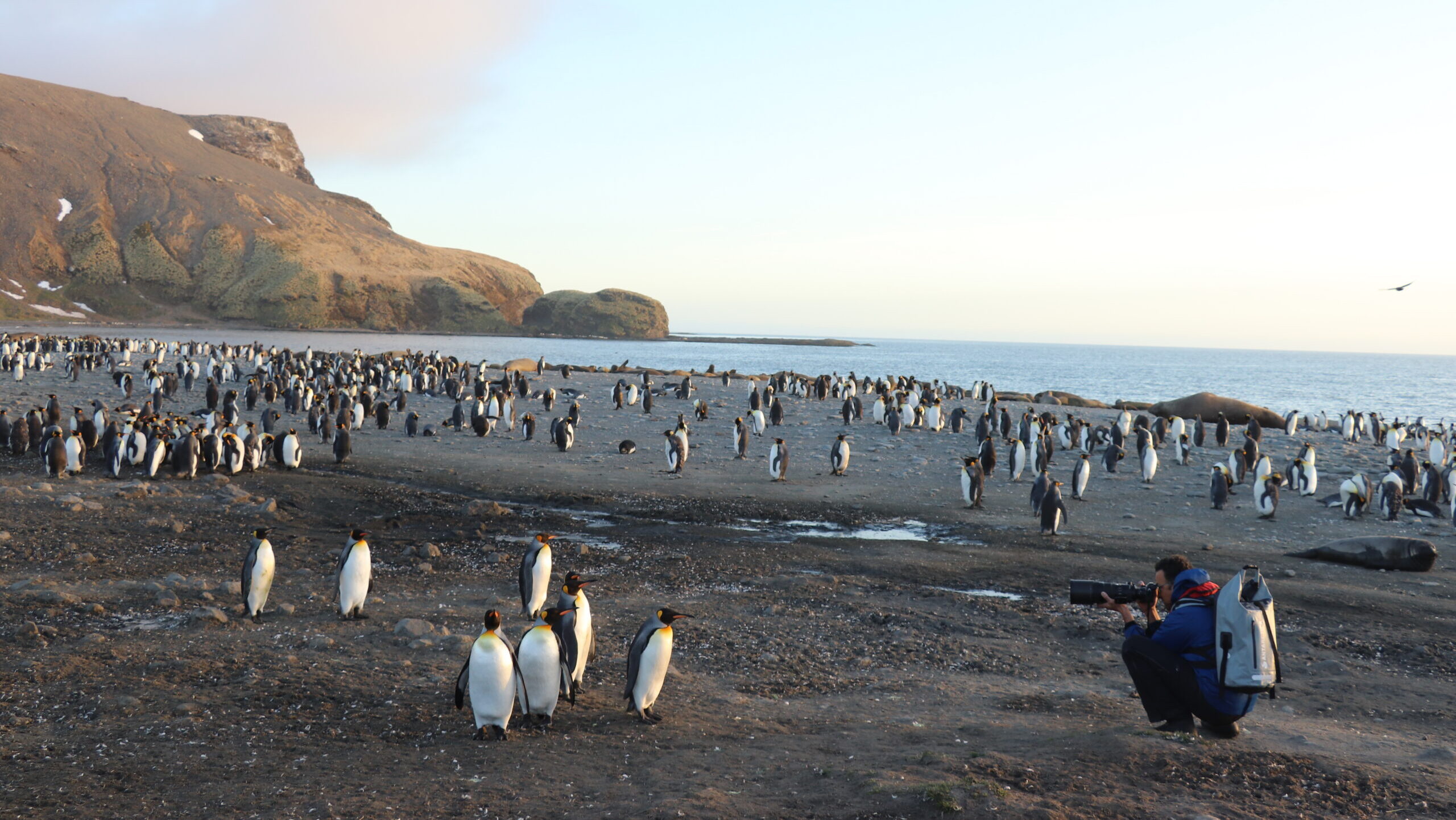
Our expedition coincides with the penguins’ return to their colonies and the beginning of pair-bonding. In the Falklands, some penguins may already be incubating eggs. On the Antarctic Peninsula, others will just be returning to their colonies, where males establish simple stone nests—and occasionally steal stones from their neighbours! Whatever stage we encounter, the earnest courtship displays will create a lively spectacle of sights and sounds!
We will also see King Penguin chicks on South Georgia. These “walking carpets” remain on land much longer than the chicks of the other penguin species we typically encounter. By then, they will have survived the entire austral winter, during which their parents may have fed them only infrequently, if at all.
*We may see upwards of 8 penguin species on this voyage!
The various features mentioned above combine to make the period of late October into early November a particularly memorable time to visit the Falklands, South Georgia, and Antarctica. Click here to learn more about our voyage in 2027!